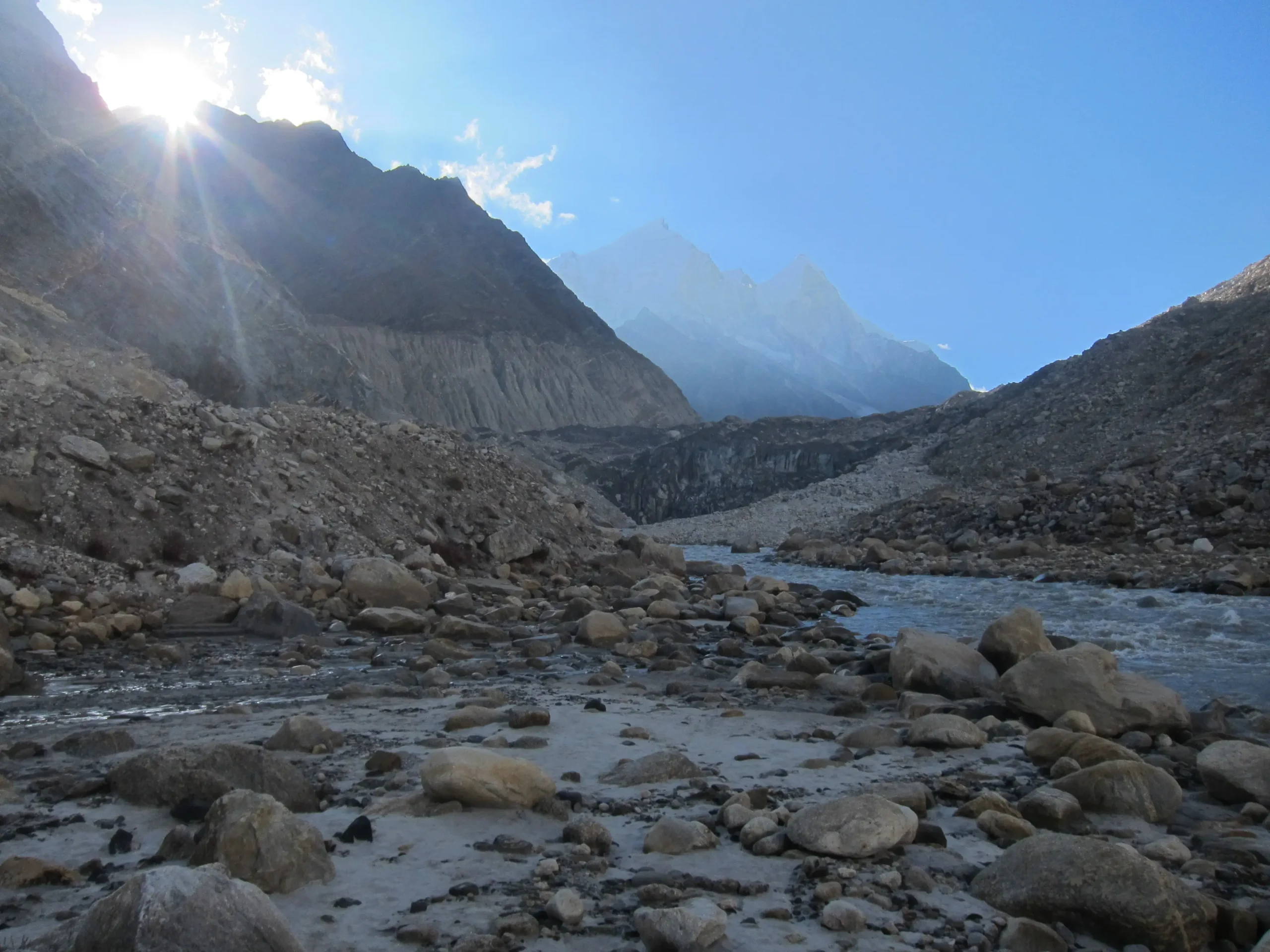
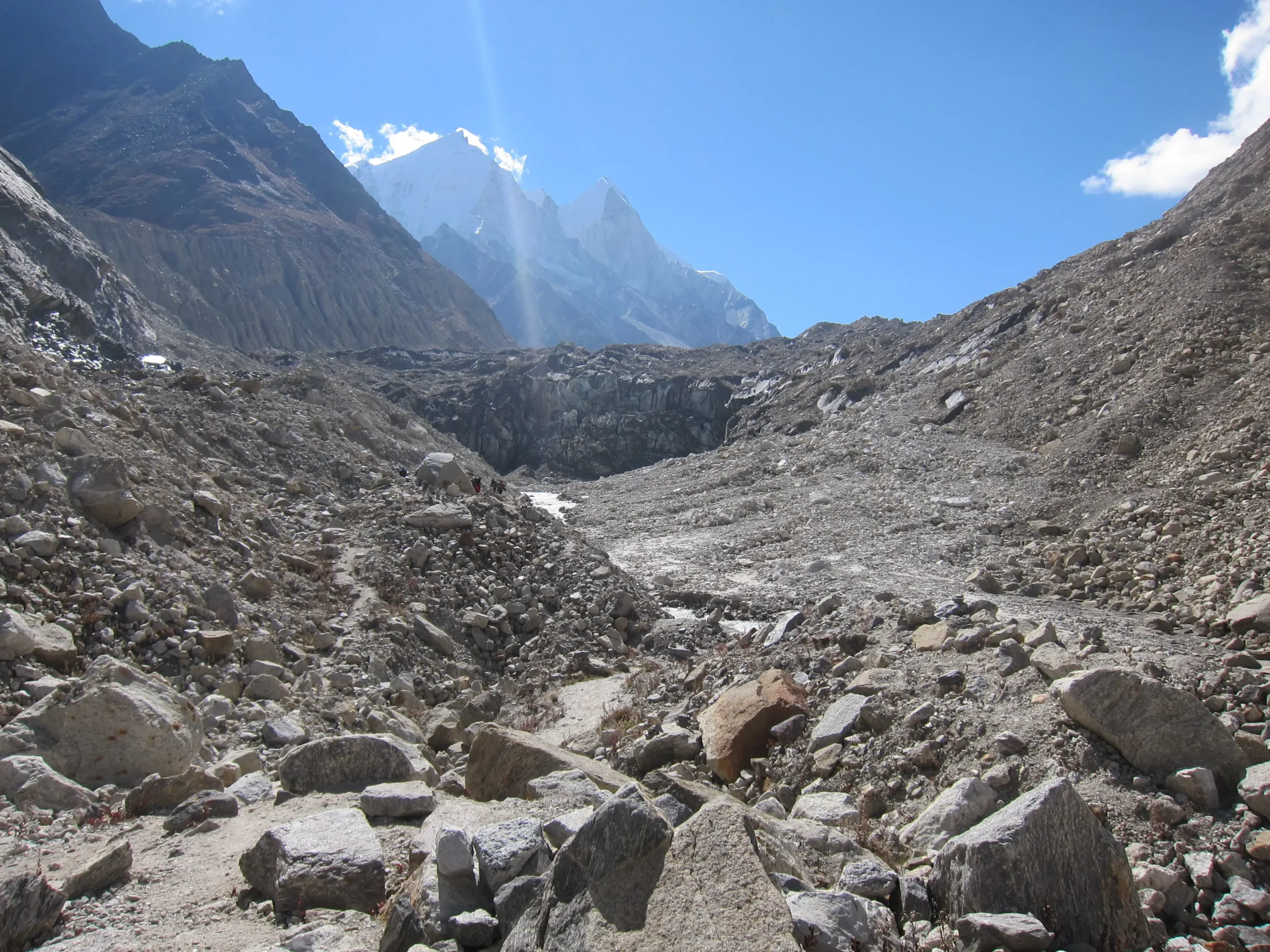
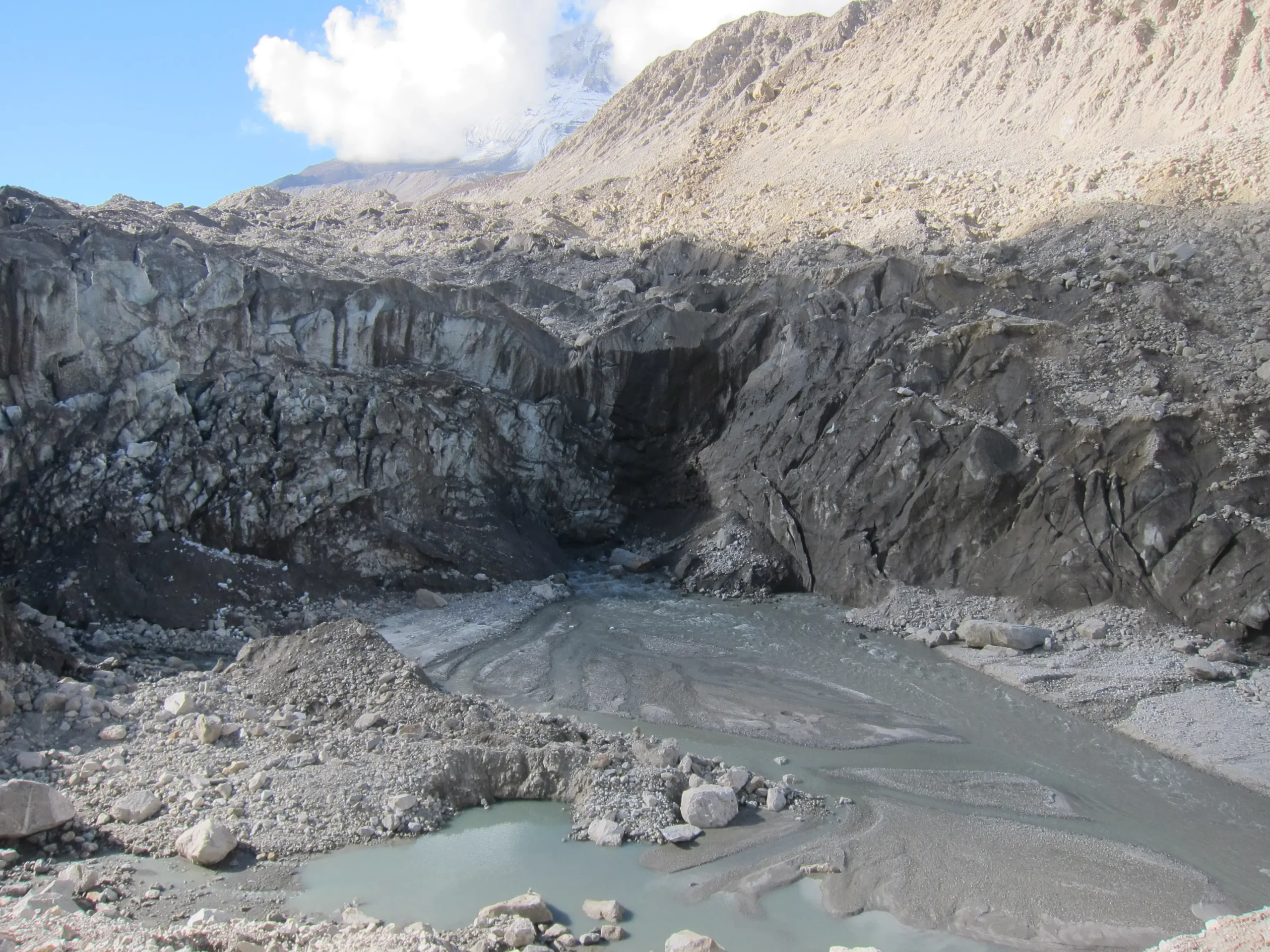
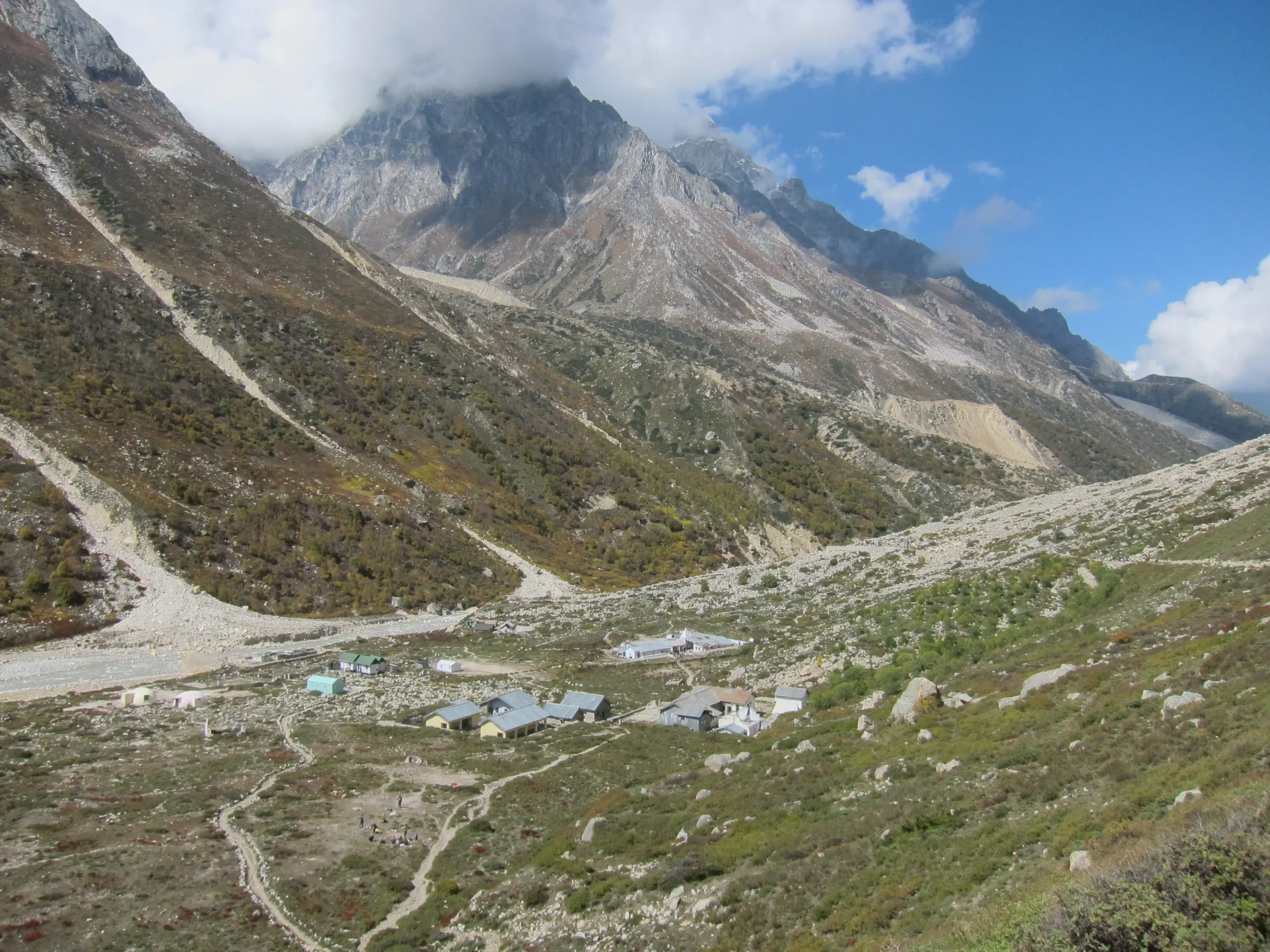
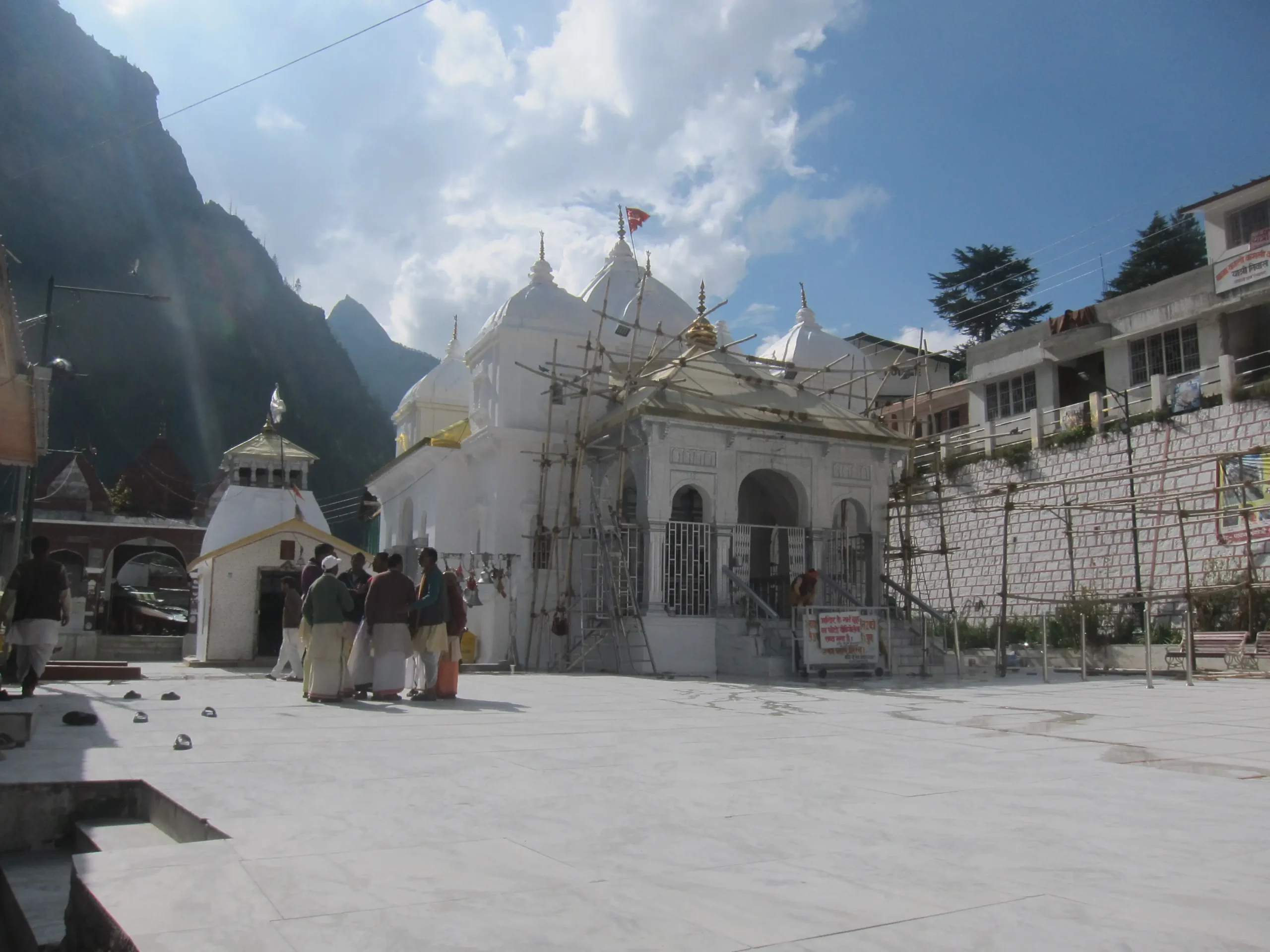
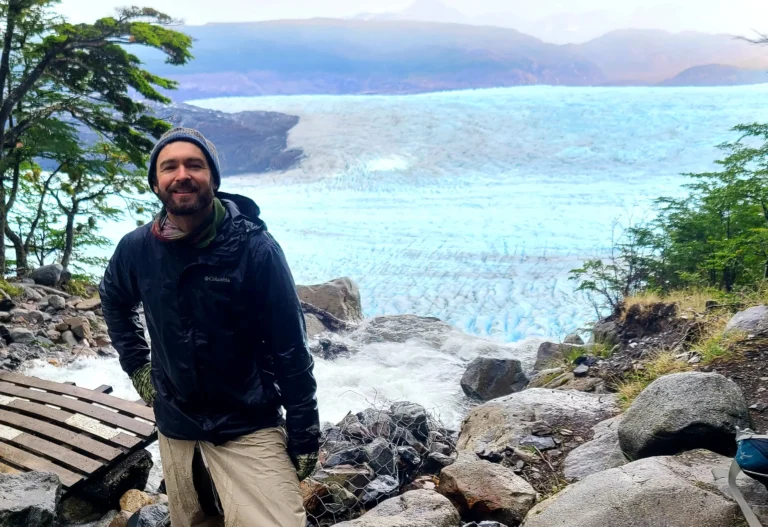
When in India it’s hard not to feel a draw to the Ganges River. Referred to as ‘Ganga’ in India, it is considered a living goddess by over a billion Hindus. It was probably most famous to me for its ritual cremations in the city of Varanasi. It stretches over 1,569 miles, and is an essential life line for over 400 million people and has been the fertile heartland of India for thousands of years. It crosses over into Bangladesh, merges with two other rivers, then empties into the Bay of Bengal, the largest river delta in the world. The river technically begins at the confluence of the Bhagirathi and Alaknanda rivers in Devprayag, Uttarakhand, and the Bhagirathi begins from the melting of the Gangotri Glacier at Gaumukh. Gangotri is a pilgrimage town where many start the trek to the ‘source’ of the Ganges. The massive glacier where the Bhagirathi river begins is something I’ll never forget. I sat there for a long time eating lunch and just admiring the grandeur of the environment. There were tours that took you up onto the glacier for a night of camping, but I just a did a simple day hike then back to basecamp. It’s a beautiful hike in the Himalayas and very special because of it’s cultural and religious significance. I feel like no trip to India is complete without experiencing the Ganges in some way, source or otherwise.